

First‑Time Renovator’s Guide: How to Design a Kitchen, From Floor-Plan to Fixtures

Whether you're building a new home or finally tackling that long-overdue kitchen renovation, the decisions you make early will shape how your kitchen functions for years. This guide walks you through the key stages of kitchen design, from laying out your floor plan to choosing the fixtures like a kitchen sink, kitchen tap, cabinet handles and accessories that pull it all together.
Start With Your Floor Plan, Not Your Fixtures
It's tempting to go straight to browsing facuets and splashbacks. Don't. The best kitchen design starts with the space itself.
The shape of your kitchen space dictates almost everything else. The four most common kitchen layouts are:
- Galley — Two parallel benches facing each other. Highly efficient workflow in a compact footprint. Great for small kitchen designs or narrow rooms.
- L-shaped kitchen — Cabinetry runs along two adjoining walls. Flexible, works in open plan living areas, and leaves room for a dining table or island bench.
- U-shaped — Benches on three sides. Maximum storage and workspace. Best suited to larger rooms where you're not constantly circling the kitchen.
- Island bench layout — An L-shaped or U-shaped kitchen with a freestanding kitchen island added. The island adds prep space, seating, and storage — and is one of the most requested features in modern kitchens right now.
 A kitchen island is one of the biggest design trends we're seeing at the moment.
If you're renovating an existing space, your floor plan is largely fixed by plumbing and structural walls. If you're in a new home or doing a full remodel, you have more flexibility — but changes to plumbing location come with real costs, so factor that into your kitchen planner before committing.
The Kitchen Work Triangle (The Gold Standard)
The kitchen work triangle connects your three main cooking zones: the cooktop, the sink, and the refrigerator. Good kitchen design keeps these three points within easy reach of each other — roughly 1.2m to 2.7m between each point — so your workflow stays efficient.
In an open plan kitchen, the triangle can be harder to maintain because the layout is often driven by sightlines to the living area rather than pure function. An island bench can help by acting as an additional prep station that bridges the triangle. If you're working with a kitchen planner or interior design professional, the work triangle is one of the first things they'll map out.
Cabinetry and Storage: Where to Spend Your Budget
Cabinetry is the backbone of kitchen design. It defines the visual style and does the heavy lifting when it comes to function. There are a few key decisions here:
Cabinet style. Shaker, flat-panel, or handleless profile — this is largely a style call tied to whether you're going for a designer kitchen aesthetic or something more relaxed like a country kitchen or Japandi-inspired look.
Cabinet material. The two most common options are laminate and painted MDF. Laminate is more durable and easier to wipe clean, which matters in a high-use cooking space. Timber veneer costs more but adds warmth.
 When choosing your kitchen cabinet, don't forget your cabinet handles!
Deep drawers vs. overhead cupboards. Deep drawers for pots, pans, and dry goods are consistently rated as one of the best kitchen upgrades by renovators. They're easier to access than overhead storage and mean you're not climbing on chairs to reach things.
Open shelves. A popular look in modern kitchens and country kitchen styles alike — but be honest with yourself about whether you'll keep them tidy.
Once your kitchen cabinets are locked in, everything else — benchtop, splashback, tapware — responds to them.
Benchtops and Countertops: Material Matters
Your benchtop is one of the most used surfaces in the house, so durable materials should be the priority.
- Stone (engineered or natural) — The premium choice. Engineered stone (like Caesarstone or Silestone) is consistent, very durable, and low maintenance. Natural stone has more variation and can be porous. Both work well in a designer kitchen.
- Laminate — Don't write it off. Modern laminate benchtops have come a long way and are a smart choice if you're keeping costs in check. They're easy to clean and available in a wide range of finishes including stone-look options.
- Timber — Warm and beautiful, but requires regular oiling and care around the sink area. Works best in country kitchen or Japandi-style builds.
- Concrete — Striking but porous; needs sealing. More often used as a design inspiration piece than a practical everyday countertop.
- The key is matching material to use. A household that cooks heavily needs a benchtop that can handle heat, chopping boards, and spills without showing wear. Choose materials that can keep up — and make sure the workspace is deep enough (standard is 600mm) to be genuinely useful.
The Sink and Tapware: Where Function Meets the Fixture
Kitchen Sinks
The kitchen sink gets used more than almost any other fixture in the house. Choosing the right one matters.
Sink mounting options — Undermount sinks sit below the benchtop for a seamless look that's easy to wipe clean. Topmount sinks drop into a cut-out and are easier to install.
Not sure which? Read our Undermount vs Topmount guide.
Single or double bowl — Double bowls are useful if you hand-wash a lot; single bowls give you more workspace.
Our single bowl vs double bowl comparison breaks this down simply.
Size — Larger households benefit from large kitchen sinks with deeper basins. If you're working with a small kitchen, compact sinks are designed to maximise usable bench space.
Material and finish — Stainless steel kitchen sinks remain the most popular choice for durability and ease of cleaning. Black kitchen sinks and gunmetal kitchen sinks are trending strongly in modern kitchens and designer kitchen builds. For a farmhouse or country kitchen look, farmhouse sinks and fireclay sinks are the classic choice.
 Getting your sink and tapware combo right is one of the most important steps.
Kitchen Tapware
Your tap is used dozens of times a day. It needs to work, look good, and last.
Pull-out kitchen mixer taps are the most functional choice for most households — the pull-out spray head makes rinsing the sink, filling tall pots, and washing vegetables significantly easier. For kitchens with a more architectural feel, gooseneck kitchen mixer taps add height and visual impact.
On finishes: brushed nickel tapware hides water spots and fingerprints better than chrome and suits most kitchen styles. Gunmetal tapware is increasingly popular in new builds for its matte, sophisticated look. Brushed brass gold tapware suits warmer, more traditional kitchen styles.
If filtered drinking water is a priority, 3-way mixer taps combine hot, cold, and filtered water in a single fixture — no separate tap cluttering the benchtop.
The Splashback: More Important Than You Think
The splashback protects the wall behind your cooktop and sink from water, grease, and heat, but it also does a lot of visual work. It's often the first thing people notice in a kitchen.
Common splashback materials:
- Tiles — The most versatile option. Subway tiles, penny rounds, herringbone, and kit-kat tiles all work well depending on your kitchen style. Grout colour matters — dark grout reads as more graphic, light grout blends in.
- Glass — Easy to clean, seamless look. Usually custom cut to fit.
- Stone — If you're running the benchtop material up the wall, this creates a very cohesive look, particularly in designer kitchens.
- Stainless steel — Practical in commercial-style builds.
The splashback is also one of the most cost-effective places to add design inspiration and personality. If everything else is neutral, a bold splashback tile can anchor the whole kitchen.
For more ideas, see: The Best Splashback Tiles for Every Kitchen Style
The Cooktop and Rangehood: Don't Treat These as Afterthoughts
The cooktop and rangehood need to be specified early because they affect cabinetry layout and electrical/gas rough-in. A rangehood that's too small for your cooktop, or positioned at the wrong height, won't extract effectively no matter how good it looks.
As a general rule, your rangehood should be at least as wide as your cooktop — wider is better. Standard clearance is 650–750mm above a gas cooktop, 550–700mm above induction. If you're incorporating the rangehood into a bulkhead or overhead cabinet, this needs to be planned at the cabinetry stage, not added in afterwards.
The cooktop position also anchors the work triangle. It's usually located away from natural light and windows (for safety), and ideally not directly under overhead cabinetry.
Kitchen Lighting: A Three-Layer Approach
Good kitchen lighting means more than one overhead light. A layered approach works best:
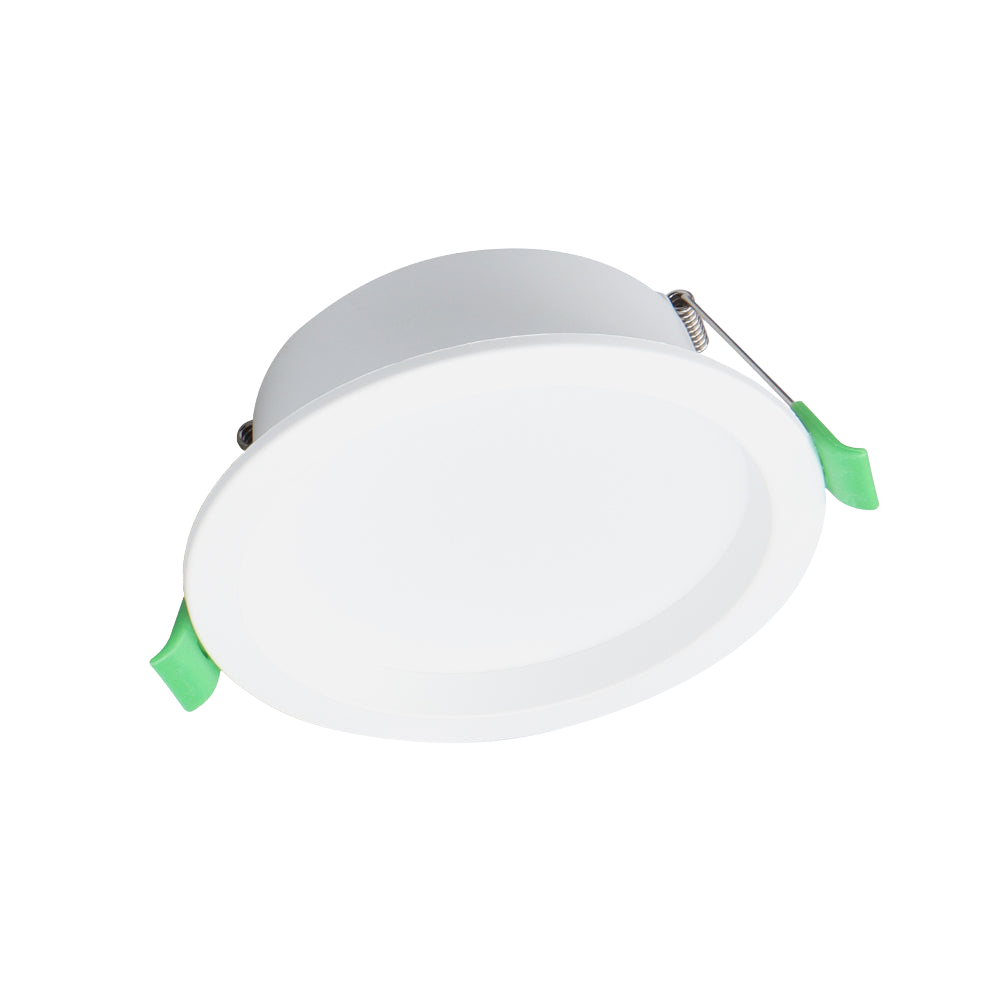
- Ambient lighting — General illumination for the whole room. Recessed downlights are the standard in modern kitchens.
- Task lighting — Under-cabinet strip lights that illuminate the benchtop workspace directly beneath your overhead cabinets. This is where most food prep happens, and it's chronically underlit in many kitchens.
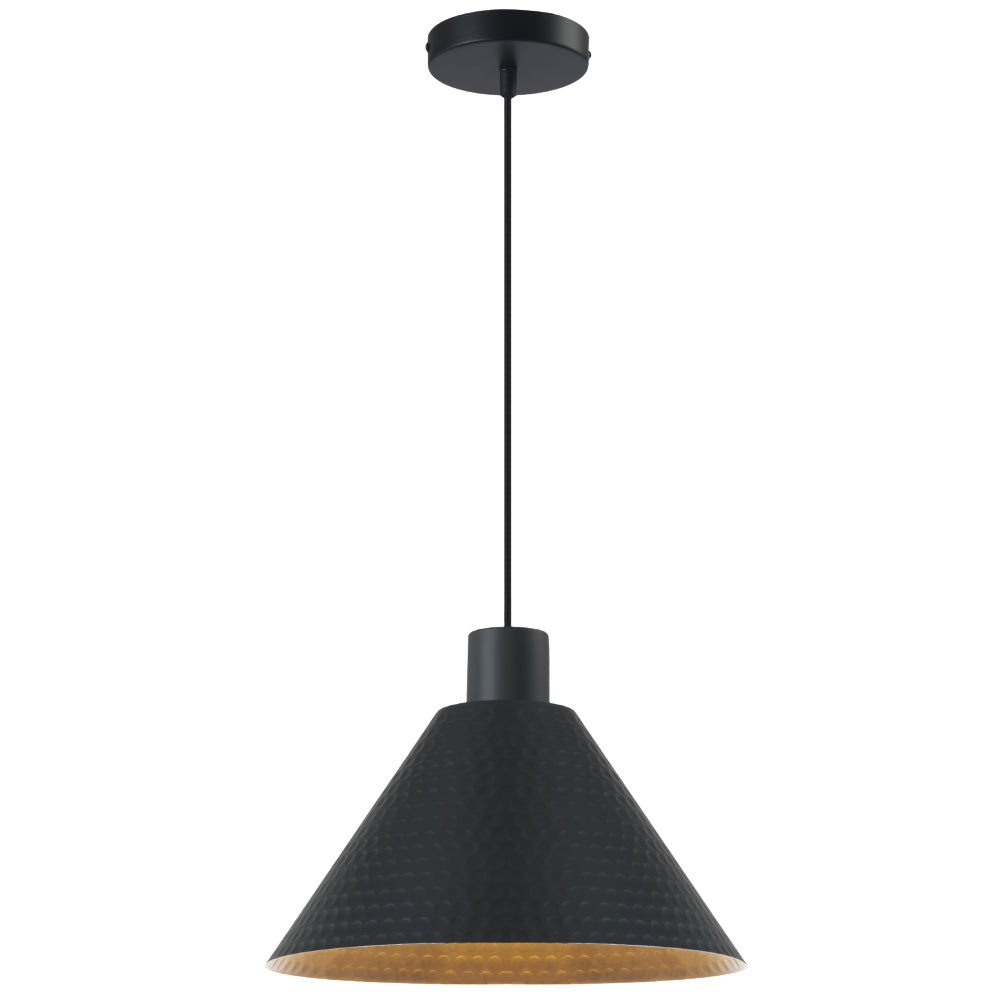
- Decorative lighting — Pendant lights over an island bench or dining table. These do real work visually — they anchor the kitchen island and create warmth, especially in an open plan living space.
 Don't under estimate the power of lighting in the kitchen.
Natural light is worth protecting. If you're renovating, resist cabinetry or shelving that blocks windows. A kitchen with good natural light will always feel more pleasant to work in.
Read more:
- How to Choose the Right Indoor Lighting for Every Room
-
Cool White vs Warm White Lights: A Room‑by‑Room Lighting Guide
What a Designer Kitchen Actually Means
A dream kitchen isn't necessarily expensive – it's cohesive. That means finishes talk to each other: the tap finish matches the handles, the splashback tile complements the benchtop, the pendant lights suit the cabinetry style.
The places where first-time renovators most often lose that cohesion are:
- Mixing too many metals (keep tapware, handles, and rangehood trim in the same family)
- Choosing cabinetry and benchtop independently without seeing them together
- Underspecifying storage — running out of kitchen cabinet space within a year of renovating
- Forgetting small appliances until it's too late (toasters, kettles, and coffee machines need bench space and power points, and they need to go somewhere)
The Fixtures Checklist for a New Kitchen
Before you finalise your kitchen design, make sure you've specified:
- Sink (mounting type, bowl configuration, material, finish)
- Kitchen mixer tap (pull-out or fixed, finish)
- Filtered water tap if required
- Splashback material and tile selection
- Cabinet handles and knobs (often overlooked until the end)
- Under-cabinet lighting
- Pendant lights over the island
- Power point locations for appliances
Getting these locked in before construction starts saves the most money and avoids the compromises that come from deciding under pressure.
Ready to Start? We're Here to Help
Browse our full range of kitchen sinks, kitchen mixer taps, and kitchen accessories to find fixtures suited to your kitchen design. If you have questions about what works together, we're here to help you navigate these decisions.
Book an appointment at our selection centre to see these products in person and get specific advice for your kitchen. We don't just show you products – we walk you through your project step by step, providing individual guidance based on your specific needs and expert advice tailored to your space, budget, and design vision.
Our team takes the time to understand what you're trying to achieve and helps you make informed decisions that you'll be happy with for years to come.
Buildmat Selection Centre
45 Warrigal Rd, Hughesdale 3166 VIC
View on Google Maps
For more reading: