How to Build an Outdoor Kitchen: A Step-by-Step Planning Guide
From choosing the perfect layout to finding outdoor sinks, tapware and finishes, here's everything to consider when planning an outdoor kitchen.

There's something particularly appealing about cooking outdoors. Whether it's a summer BBQ with friends, a Sunday lunch or simply enjoying dinner outside on a warm evening, an outdoor kitchen makes entertaining that little bit easier.
And we're not just talking about wheeling a BBQ onto the deck. A well-designed outdoor kitchen can bring together everything you need to prepare, cook and serve meals without constantly heading back inside. Think generous benchtops, an outdoor kitchen sink, weather-resistant cabinetry, a built-in BBQ and maybe even a bar fridge for keeping drinks cold.
But before you start choosing appliances and finishes, there are a few important decisions to make.
From finding the right location to selecting outdoor-rated fixtures and planning your layout, here's how to build an outdoor kitchen that looks great, functions well and suits the way you entertain.

1. Decide How You'll Use Your Outdoor Kitchen
Before getting caught up in outdoor kitchen ideas, think about what you actually want to do in the space.
Are you planning to cook complete meals outdoors, or do you mainly need somewhere to prepare food alongside your BBQ? Will you regularly entertain large groups, or is this more of a weekend cooking setup for the family?
Your answers will help determine how much space you need and which features are worth investing in.
For example, a compact outdoor BBQ kitchen might only require a built-in BBQ, a small preparation bench and some storage. A larger alfresco kitchen, on the other hand, might include a sink, fridge, additional cooking appliances and dedicated areas for food preparation and serving.
Outdoor kitchen essentials vs nice-to-haves
|
Outdoor kitchen essentials |
Optional extras |
|---|---|
|
BBQ or outdoor cooking appliance |
Pizza oven |
|
Weather-resistant benchtop |
Outdoor bar fridge |
|
Outdoor-rated cabinetry and storage |
Outdoor dishwasher |
|
Suitable task lighting |
Outdoor ceiling fan |
|
Adequate preparation space |
Integrated rubbish bins |
|
Safe access to required utilities |
Outdoor bar or serving counter |
|
Outdoor kitchen sink, where washing facilities are needed |
Additional cooking appliances |
You don't necessarily need every feature to create a functional outdoor kitchen. We'd recommend prioritising the things you'll use most often, then adding extras if your space and budget allow.
2. Choose the Right Location
Where you position your outdoor kitchen can make a big difference to how practical it is. Ideally, you'll want somewhere that's convenient to access from your indoor kitchen, has enough room for cooking and entertaining, and offers suitable protection from the weather.
A covered alfresco area is often a good starting point, particularly if you want to use your outdoor kitchen throughout the year.
However, there are several other factors worth considering.
Proximity to your indoor kitchen
If your outdoor kitchen is close to your indoor kitchen, transporting ingredients, dishes and utensils will be much easier.
This is particularly helpful if you're not planning to install a full-sized fridge, dishwasher or extensive storage outdoors.
Weather exposure
Consider how much sun, rain and wind your chosen location receives. An outdoor kitchen positioned beneath a pergola or covered patio may offer better protection for appliances and cabinetry, but you'll still need to choose products suitable for outdoor conditions.
If you're building an uncovered outdoor kitchen, material selection becomes even more important.
Ventilation and BBQ clearance
Adequate ventilation is essential, particularly when installing a BBQ beneath a roof or within a partially enclosed area.
Check the appliance manufacturer's requirements for clearances, ventilation and combustible materials before finalising your layout. Not every BBQ is suitable for installation under a covered structure.
Access to plumbing and electricity
If you're planning to include an outdoor kitchen sink, fridge or other electrical appliances, consider where the necessary connections will come from.
Positioning your outdoor kitchen near existing services may help reduce installation complexity and costs.
A licensed plumber and electrician can advise on the requirements for your proposed layout.

3. Plan Your Outdoor Kitchen Layout
Once you've chosen your location, it's time to think about how everything will fit together.
A good outdoor kitchen layout should make it easy to move between food preparation, cooking and serving without constantly crossing the space.
You don't necessarily need a huge backyard, either. Even a relatively compact alfresco area can accommodate a practical outdoor kitchen with the right design.
Popular outdoor kitchen layouts
- Everything sits along one wall or bench. Ideal for narrow patios, smaller backyards and simple BBQ setups.
- Two connected benches create separate preparation and cooking zones, with extra room for storage.
- A central island creates a social cooking area, often with seating on the opposite side of the preparation bench.
- A larger layout with three sides of bench space, ideal for dedicated outdoor cooking and entertaining areas.
When planning your layout, allow enough room to open cabinet doors, access appliances and move comfortably around the cooking area.
We'd also recommend leaving sufficient preparation space beside your BBQ so you have somewhere to place ingredients, utensils and serving dishes.
4. Choose Weather-Resistant Outdoor Kitchen Materials
One of the biggest differences between an indoor and outdoor kitchen is the level of exposure to the elements.
Even a covered outdoor kitchen can experience humidity, temperature fluctuations and wind-driven rain, so it's important to choose materials that are suitable for the environment.
Outdoor kitchen benchtops
Your benchtop needs to withstand regular food preparation, cleaning and the conditions in your alfresco area. Popular options include:
-
Natural stone: Certain stones can work well outdoors, although suitability, sealing and maintenance requirements vary.
-
Porcelain: Outdoor-rated porcelain surfaces can offer good resistance to moisture, UV exposure and staining.
-
Concrete: A popular choice for contemporary outdoor kitchens, provided it's appropriately specified and maintained.
-
Stainless steel: Durable, hygienic and particularly well suited to outdoor cooking areas.
Be careful with engineered stone products, as not all are suitable for outdoor exposure. In Australia, the manufacture, supply, processing and installation of most engineered stone benchtops containing crystalline silica is prohibited, subject to limited exceptions and transitional provisions. Confirm the product's legal status and outdoor suitability with your supplier.
Outdoor kitchen cabinetry
Outdoor kitchen cabinets should be designed to handle moisture, humidity and temperature changes.
Depending on the location, suitable options may include outdoor-rated stainless steel, aluminium and specialised weather-resistant cabinetry systems.
Avoid assuming that standard indoor kitchen cabinetry will perform well outdoors, particularly in exposed areas.
If you're building near the coast, pay particular attention to corrosion resistance.
5. Choose an Outdoor Kitchen Sink
An outdoor kitchen sink is one of those additions you'll appreciate every time you entertain.
Having running water outdoors makes it easier to rinse vegetables, wash your hands, clean BBQ utensils and tackle the washing up without carrying everything back inside.
The key is choosing a sink that's designed for outdoor conditions.
 Pictured: Alma Isaac Alfresco 316 Stainless Steel Sink
What material is best for an outdoor kitchen sink?
We'd recommend 316 marine-grade stainless steel, particularly for outdoor kitchens exposed to moisture, salt air or poolside conditions.
Compared with standard 304 stainless steel, 316 stainless steel offers greater corrosion resistance, making it a popular choice for alfresco kitchens.
Buildmat's outdoor sink collection includes 316 stainless steel options in different sizes and configurations, including single bowls, double bowls and sinks with integrated draining areas.

Outdoor Sinks
Outdoor sinks in 316 marine grade stainless steel for alfresco kitchens and BBQ areas. Sin..
What size outdoor kitchen sink do you need?
For a compact BBQ area, a smaller single bowl may be all you need for rinsing food and cleaning utensils.
If you're planning to prepare complete meals outdoors, consider a larger bowl that can accommodate pots, pans and serving platters.
Before ordering, check the sink's minimum cabinet size, bowl depth and mounting requirements. Your sink selection will affect both the cabinetry and benchtop cut-out, so it's worth making this decision early.
For more detailed advice, read our Outdoor Kitchen Sink Buying Guide.
 Pictured: Phoenix Vivid Slimline SS 316 Sink Mixer
6. Select Outdoor-Rated Kitchen Tapware
Once you've chosen your sink, you'll need a kitchen mixer to match.
Not all indoor kitchen taps are suitable for outdoor use, so check that your chosen tapware is approved for the installation environment.
For exposed alfresco kitchens, we'd recommend looking at 316 stainless steel tapware, particularly if you live near the coast.
You'll also need to decide which style of mixer suits your setup.
-
Gooseneck mixers offer generous clearance for washing large pots and filling containers.
-
Pull-out kitchen mixers make it easier to rinse vegetables, clean the sink and reach into larger bowls.
-
Swivel mixers allow you to move the spout between different areas of the sink.
-
Pot fillers can be installed near suitable outdoor cooking appliances for convenient access to water when filling large pots.
At Buildmat, our outdoor kitchen taps include 316 stainless steel options from Alma, Oliveri, Nero Tapware, Phoenix and Meir, among others.
If you're planning a contemporary outdoor kitchen, you might prefer brushed stainless steel or matte black fixtures. For a warmer design, consider brushed brass, brushed gold or copper finishes, provided they're suitable for outdoor installation.

Outdoor Kitchen Taps
Outdoor kitchen taps and alfresco sink mixers in 316 stainless steel from Oliveri, Alma, P..
7. Plan Your Outdoor Kitchen Lighting
Good outdoor kitchen lighting serves two purposes: helping you see what you're doing while cooking and creating a comfortable atmosphere once the sun goes down.
Ideally, your lighting design should include a combination of task lighting and ambient lighting.
Task lighting should illuminate the BBQ, sink and food preparation areas. Under-roof downlights, suitable wall lights and under-cabinet lighting can all work well, depending on your kitchen layout.
Ambient lighting helps create a more relaxed atmosphere around the dining and entertaining areas. Consider outdoor wall lights, pendant lights or subtle architectural lighting to highlight surrounding features.
When choosing outdoor lighting, check the product's IP rating and whether it's suitable for the location.
For colour temperature, warm white lighting around 2700K-3000K can create an inviting atmosphere, while neutral white lighting around 4000K may be preferable in dedicated food preparation areas.
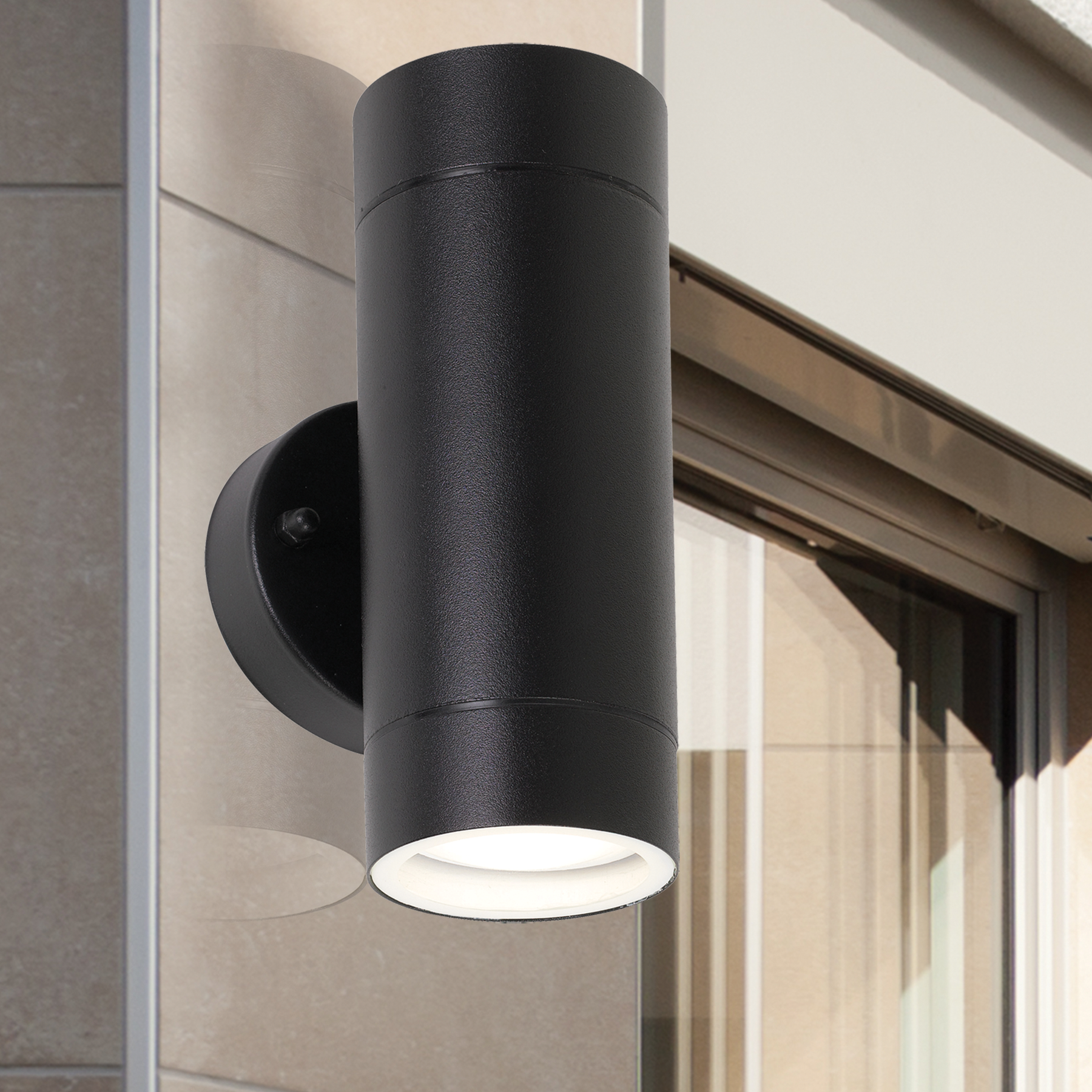
Outdoor Lighting
Outdoor Lighting Solutions That Elevate Style and Security Types of Outdoor Lighting to Ch..
8. Consider an Outdoor Ceiling Fan
If your outdoor kitchen sits beneath a covered patio or alfresco roof, a ceiling fan can make the space more comfortable during warmer weather.
An outdoor ceiling fan helps circulate air through the entertaining area, which can be particularly welcome when you're cooking beside a hot BBQ.
However, not all ceiling fans are suitable for outdoor installation.
 Pictured: Ventair Spyda 3 Blade AC Ceiling Fan
Look for models specifically approved for covered outdoor use or the relevant level of weather exposure, and check their blade materials, airflow ratings and installation requirements.
Buildmat stocks a range of outdoor ceiling fans, including AC and energy-efficient DC models from Ventair.
For larger alfresco areas, you may need a bigger fan or multiple fans to achieve comfortable air movement.
Keep in mind that a ceiling fan isn't a substitute for the ventilation and clearances required around a BBQ or other cooking appliance.
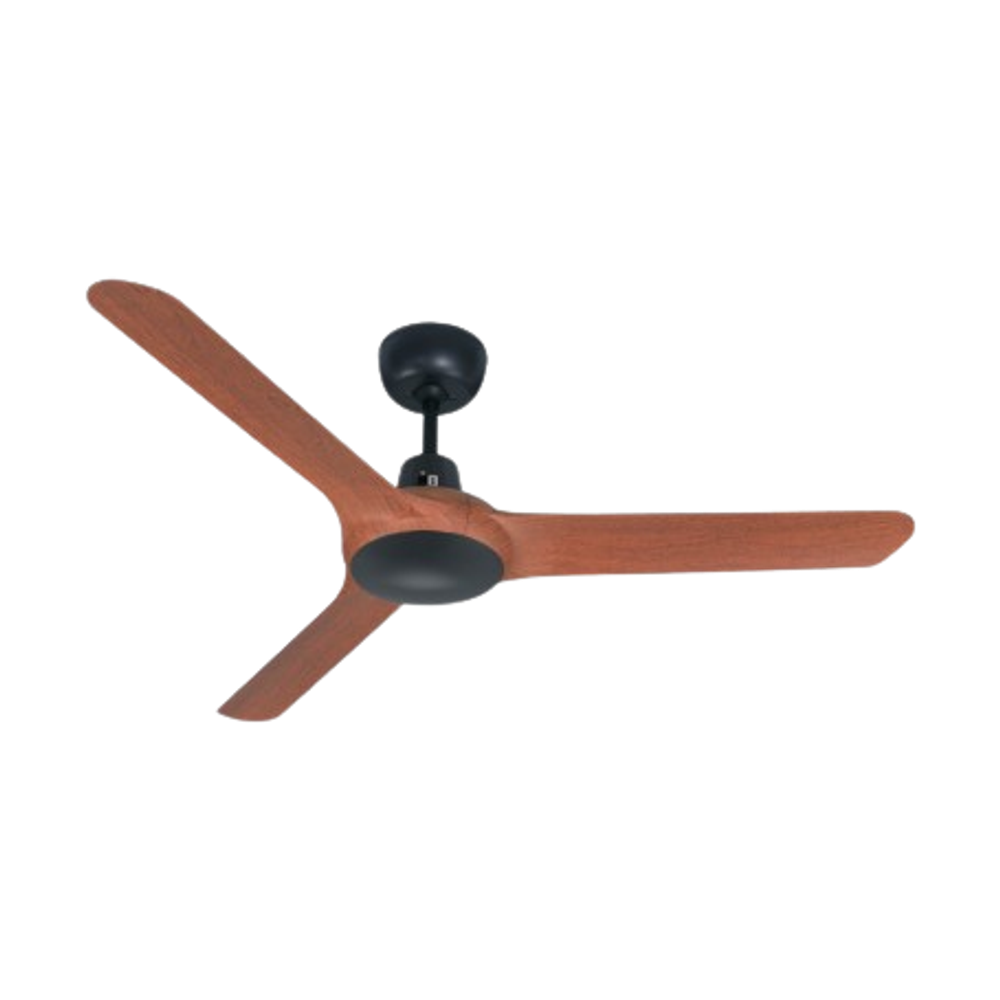
Outdoor Ceiling Fans
Shop outdoor ceiling fans at Buildmat. Explore energy-efficient AC and DC fans with LED li..
9. Don't Forget Storage and Outdoor Kitchen Accessories
A good outdoor kitchen needs somewhere to store the things you'll regularly use.
Think BBQ utensils, chopping boards, cleaning products, serving platters and outdoor dinnerware.
Built-in cabinets and drawers can keep everything organised, while open shelving may be suitable for items that can tolerate outdoor conditions.
We'd also recommend planning where you'll keep rubbish and recycling bins, particularly if you're regularly entertaining.
If bench space is limited, look for accessories that can serve more than one purpose. For example, some outdoor kitchen sinks can be paired with fitted chopping boards, colanders or sink covers that create additional preparation space.
Browse our outdoor sink accessories for options that complement your sink.
How Much Does It Cost to Build an Outdoor Kitchen in Australia?
The cost of building an outdoor kitchen can vary significantly depending on its size, materials, appliances and installation requirements.
A compact BBQ station with a simple benchtop and storage will generally cost much less than a fully equipped alfresco kitchen with custom cabinetry, stone surfaces, plumbing and electrical connections.
|
Outdoor kitchen type |
Indicative total budget |
|---|---|
|
Basic outdoor BBQ station |
$2,000-$5,000 |
|
Small outdoor kitchen with cabinetry and benchtop |
$5,000-$10,000 |
|
Mid-range outdoor kitchen with sink, BBQ and storage |
$10,000-$20,000 |
|
Premium custom outdoor kitchen |
$20,000-$40,000+ |
These are illustrative project allowances, of course. Actual quotes will depend on your design, site conditions, appliances, trades and materials. Roofing, decking and major structural work may add substantially to the total.
Check Permits and Installation Requirements
Before construction begins, check whether your outdoor kitchen requires any approvals.
Requirements vary depending on your location, the type of structure you're building and whether you're adding roofing, decking, gas appliances or other permanent fixtures.
For example, a simple BBQ station on an existing patio may have different requirements from a fully enclosed outdoor kitchen with a new pergola.
Your local council, builder or building surveyor can help clarify which planning and building approvals apply.
You'll also need appropriately licensed tradespeople for plumbing, electrical and gas work.
If you're planning a DIY outdoor kitchen, we'd recommend limiting your involvement to work you're legally permitted and competent to complete, leaving regulated installations to qualified professionals.
Shop Outdoor Kitchen Fixtures at Buildmat
Whether you're planning a compact BBQ station or a complete alfresco entertaining area, Buildmat can help you find the right fixtures to bring your outdoor kitchen together.
Explore our range of:
-
Outdoor kitchen sinks - Choose from 316 marine-grade stainless steel sinks in sizes and configurations to suit your cabinetry.
-
Outdoor kitchen taps - Find gooseneck, pull-out and swivel mixers designed for alfresco kitchens.
-
Outdoor tapware - Browse outdoor-rated fixtures in a range of styles and finishes.
-
Outdoor ceiling fans - Improve comfort in covered alfresco and entertaining areas.
-
Outdoor and garden - Explore more fixtures for your outdoor living space.
Need help choosing your outdoor kitchen sink, tapware or matching finishes? Visit the Buildmat Selection Centre at 45 Warrigal Road, Hughesdale VIC 3166, by appointment.
If you're outside Melbourne, our team can also help remotely. Call 1300 123 122 or email [email protected].
Frequently Asked Questions
Can you build an outdoor kitchen yourself?
You may be able to complete some parts of an outdoor kitchen project yourself, such as assembling suitable modular cabinetry or planning the layout. However, plumbing, electrical and gas installations must be completed by appropriately licensed professionals. Structural work and approvals may also be required, depending on your design.
What is the cheapest way to build an outdoor kitchen?
A simple straight-line layout is often one of the most affordable options. Start with a freestanding BBQ, weather-resistant preparation bench and basic storage, then add features such as a sink or fridge if your budget allows. Using existing services where practical may also help reduce installation costs.
Do you need a sink in an outdoor kitchen?
A sink isn't essential for every outdoor kitchen, but it can make cooking and entertaining much more convenient. If you regularly prepare food, wash utensils or serve drinks outside, we'd recommend including one. Choose a sink specifically designed for outdoor conditions.
Does an outdoor kitchen add value to your home?
A well-designed outdoor kitchen may make your home more appealing to buyers, particularly in areas where alfresco entertaining is popular. However, there's no guarantee you'll recover the full installation cost. We'd recommend designing the space around how you intend to use it, rather than relying on a particular resale return.