Buildmat's Bathroom Tile Ideas & Buying Guide
Explore bathroom tile ideas for every style and space, plus advice on choosing tile size, finish, colour and grout for your bathroom renovation.

Bathroom tiles do a lot of heavy lifting. They protect the walls and floor, and set the mood for the room. The tricky part is that there are so many ways to go: large tiles or small tiles, gloss or matte, light or dark grout, a calm all-over finish or a bolder feature wall. It’s easy to get halfway through a bathroom renovation and wonder whether you’ve made the right call.
The good news is you don’t need to follow every trend to get a bathroom that looks great for years to come. You just need a clear starting point. In this guide, we’ll walk through bathroom tile ideas that suit real Australian homes, plus the practical choices to make before you order.
Start with the feeling you want the room to have
Before you fall for a sample, think about how you want the bathroom to feel when you walk in. Are you after a bright, simple room that feels bigger than it is? Something warm and relaxed? Or do you want a more dramatic space that feels like a hotel bathroom?
Tiles are usually the biggest visual surface in the room, so they’re the best place to set that direction. Once they’re decided, it becomes much easier to choose a basin, bathroom vanity, mirror, tapware and toilet that all feel like they belong together.
We’d usually start with tiles early in the selection process, then use them to narrow down the finishes around them.
|
If you want your bathroom to feel… |
Start with… |
Pair it with… |
|---|---|---|
|
Light and open |
Soft white, warm grey or pale stone-look tiles |
A simple basin, light timber tones and brushed nickel or chrome tapware |
|
Warm and relaxed |
Sand, beige, clay or creamy neutral tiles |
Rounded bathroom basins, warm metal finishes and a soft-edged mirror |
|
Modern and clean |
Large-format tiles with fine grout lines |
Minimal bathroom tapware and a streamlined toilet |
|
Bold and character-filled |
Patterned, terrazzo-look or deep-coloured tiles |
Simpler fixtures and one repeated accent finish |
|
Classic with a twist |
Subway tiles, checkerboard floors or marble-look porcelain |
Traditional shapes, warmer lighting and bathroom accessories |
Related read: How to Match Your Wall and Floor Tiles in Any Room
9 Bathroom Tile Ideas for a Beautiful Space
1. Keep it calm with tonal tiles
Tonal bathrooms use closely related colours rather than sharp contrasts. Think warm white wall tiles with pale beige floor tiles, or soft grey tiles paired with a slightly deeper grout. It’s an easy way to make a bathroom feel relaxed without looking plain.
The key is to give the room some variation through texture, shape or finish. A subtle stone-look floor beside a smoother wall tile can be enough. If every surface is identical, the room can feel flat; if every surface is competing, it can feel busy. Tonal design sits comfortably in the middle.


Beige Tiles
Beige Tiles That Bring Warmth, Balance, and Design Flexibility Buildmat's collection o..
2. Use large-format tiles to create a cleaner look
Large-format tiles can make a bathroom feel more open because there are fewer grout lines breaking up the room. They’re especially worth considering on walls behind a vanity, in a walk-in shower or across a main bathroom floor where you want a calm, seamless finish.
That said, large tiles aren’t automatically right for every room. A tiny floor with lots of cuts around a toilet or vanity can be fiddly, so it pays to talk through the layout with your tiler before you lock anything in. Bring room measurements and a simple floor plan to the conversation—it’ll save a lot of second-guessing later.
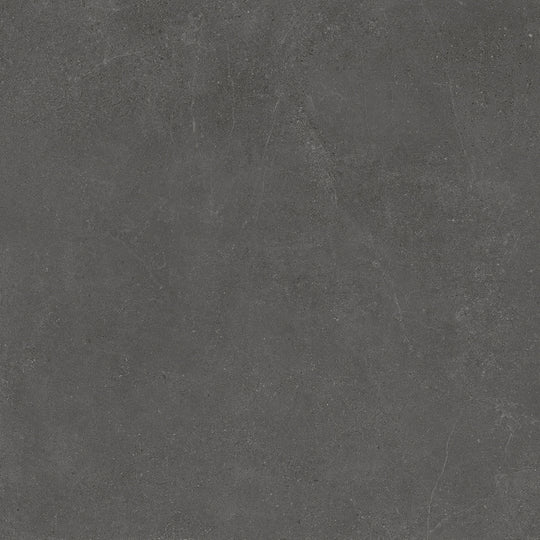
Large Tiles
Buildmat's large format tiles offer a seamless, sophisticated look for bathrooms, kitc..
3. Give the vanity wall a feature moment
The wall behind a vanity is one of the best places to add personality. It’s visible as soon as you walk in, it’s often framed by a mirror and basin, and it doesn’t need to compete with the entire room.
You could use a vertical stack of slim rectangular tiles, a stark colour shift, a handmade-look finish or a patterned tile that would feel overwhelming on all four walls. Keep the remaining tiles simpler and the feature wall will feel intentional.

4. Stack rectangular tiles vertically
Vertical stacking is a simple design move that can make a bathroom feel taller. It gives familiar rectangular tiles a fresher look than a traditional brick pattern, especially in showers and behind vanities.
For a softer result, choose a warm neutral tile and a grout that sits close to the tile colour. For a more graphic finish, choose a darker grout so the shape is more visible. Either way, we'd highly recommend using samples in the actual room if you can. Bathroom lighting can change a colour more than you’d expect.

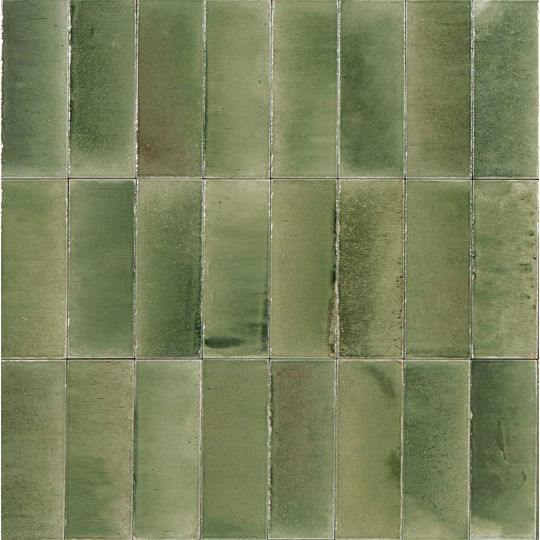
Splashback Tiles
Splashback Tiles: Instant Impact, Minimal Effort Splashback tiles do more than protect you..
5. Make small bathrooms feel spacious
A small bathroom doesn’t need to be covered in tiny tiles. In fact, too many changes in colour, scale and pattern can make a compact room feel more crowded. A good small-bathroom approach is to keep the main tile palette restrained, then add interest in one place: the shower wall, the floor, the vanity splashback or a recessed niche.
Using the same tile across the floor and one or more walls can also create a continuous look. If you’d rather use different tiles, keep them in the same tonal family. A compact wall-hung or back-to-wall toilet can help the room feel less visually cluttered too. For a coordinated wet area, it’s also worth choosing your shower tapware at the same time as your tile samples.

6. Use a checkerboard floor for instant character
Checkerboard tiles have made a strong return, but they don’t have to look overly traditional. Try softer combinations such as cream and pale grey, or warm white and sandy beige, for a look that feels playful but still easy to live with.
A checkerboard floor works best when the walls are simpler. Pair it with a plain wall tile, a simple mirror and minimal hardware so the floor remains the feature. It can be a great option for a powder room where you want to do something a little more memorable without tiling a huge area.
7. Pair warm neutral tiles with timber-look finishes
Warm whites, sand, mushroom, cream and pale clay tones are an easy foundation for a bathroom that feels timeless. They work beautifully with timber-look vanities, brushed metals and soft lighting, and they’re flexible enough to suit both contemporary and more classic homes.
If you’re worried a neutral room will look bland, add contrast through shape rather than colour. A fluted basin, rounded mirror, curved tapware or a slim vertical tile can give the room plenty of detail without making it feel dated in a few years.

8. Use dark tiles in the right place
Dark tiles can make a bathroom feel moody, sophisticated and surprisingly cosy. They tend to work best in bathrooms with enough natural light or well-planned artificial lighting. Rather than tiling every wall in charcoal or black, try using darker tiles on the floor, in the shower or on a single feature wall.
You’ll also want to think about what sits against them. Lighter basins, brushed nickel, chrome or warmer brass finishes can stand out beautifully against a darker background. Order a few samples and check them beside the fixtures you’re considering before you commit.


Black Tiles
Create Impact With Black Tiles Our curated selection of black matt tiles offers a refined ..
9. Let grout become part of the design
Grout isn’t just the bit between the tiles. It changes the finished look of the entire room. Matching grout creates a quieter, more continuous surface; contrast grout highlights the tile shape and pattern.
For a calmer bathroom, choose a grout close to the tile colour. For subway, kit kat or geometric tiles, a little contrast can give the design more definition. Just remember that strong contrast makes every line more visible, so tile placement and alignment need to be spot on.
Bathroom tiles buying guide: what to decide before you order
Great bathroom tiles aren’t just about colour. Before you finalise a selection, work through the questions below. They’ll help you choose tiles that suit the room, your renovation budget and the way you actually use the bathroom.
Decide where each tile is going
Walls, shower floors, main floors and splashback areas don’t all ask the same thing of a tile. Start by sketching the room and marking the zones: floor, shower floor, shower walls, vanity wall, bath wall and any niches. This gives you a clear list of surfaces to cover and stops you from ordering based on a rough guess.
It’s also a good time to decide where you want the visual focus. If your feature is the shower wall, you might choose a more practical and understated floor tile. If the floor is patterned, quieter wall tiles will usually do the job better.
Choose the tile size after you’ve looked at the layout
There’s no single “best” tile size for a bathroom. Larger tiles can create a clean look with fewer visible joins, while smaller tiles can add texture and help when you’re working around curves, slopes or detailed areas. What matters is how the tile will sit in your actual room.
Ask your tiler where the cuts will fall around the doorway, vanity, toilet and shower. A tile that looks perfect on a showroom board may need very narrow cuts in a particular room. A quick layout check can help you adjust the tile size or starting point before installation begins.
|
Bathroom area |
A practical tile approach |
Why it works |
|---|---|---|
|
Main floor |
Choose a size that suits the room shape and planned cuts |
It helps create a balanced layout rather than awkward slivers at the edges |
|
Shower floor |
Consider a format your tiler is comfortable forming to the drain |
Smaller or mosaic-style formats can give more flexibility around drainage points |
|
Shower walls |
Use a quieter tile or one feature wall |
It keeps the shower feeling spacious and makes cleaning choices easier to manage |
|
Vanity wall |
Consider a feature shape, pattern or texture |
It creates a natural focal point behind the basin and mirror |
|
Powder room |
Have a little more fun with colour or pattern |
Small rooms can carry a bolder design without overwhelming the rest of the home |
Think about finish as well as colour
Gloss tiles bounce light around and can make walls feel brighter. Matte tiles tend to create a softer, more contemporary finish and can suit floors or larger wall areas. Neither is automatically better; it depends on the look you want and where the tile will be installed.
For wet areas, don’t choose based on appearance alone. Check the manufacturer’s product information and discuss the intended use, slip resistance and installation requirements with your tiler before making a final selection. Your installer should confirm that the exact product is appropriate for the surface and location.
Keep tile, grout and fixtures in the same conversation
It’s tempting to choose tile first and leave everything else until later, but you’ll get a better result if you view key samples together. Bring your tile sample next to a tapware finish, basin colour and vanity finish. That’s how you’ll notice whether a white leans warm or cool, whether a metal finish feels too yellow, or whether a grout colour is too harsh.
You don’t have to match every finish exactly. You do, however, want the room to look deliberate. Repeating one metal finish across the basin, shower and bath areas is a simple way to create that consistency.
Order enough tile, and plan for cuts and future repairs
Work from measured surface areas rather than a rough room size, then ask your tiler or supplier to help calculate an appropriate allowance for cuts, breakages and spare tiles. The right allowance will vary with the tile shape, pattern and installation layout, so it’s worth confirming before you place the order.
Keep a small number of spare tiles after the renovation is finished. If you ever need to repair a damaged area, you’ll be glad you did. Tile batches can vary over time, and having matching extras on hand makes future fixes much simpler.
Should you choose your tiles before the fixtures?
In most cases, yes. Tiles cover a lot more visual area than fixtures, so they’re a smart starting point. Once you’ve chosen the tile direction, select the larger permanent pieces next: vanity, basin, toilet and mirror. Then finish with tapware, accessories and lighting.
There are exceptions. If you’ve fallen in love with a particular statement basin or a coloured vanity, bring that sample into the tile-selection process from day one. The important thing is to make the decisions together, not in isolated steps. A tile that looks perfect in a photo can feel completely different next to the fixtures you’ve chosen.
Bathroom tile ideas for a renovation that feels like you
The best bathroom isn’t the one that copies a trend perfectly. It’s the one that suits your home, your routine and your budget, then still feels good to walk into years from now. Start with a clear mood, choose a tile you genuinely like, and use layout, grout and fixtures to make it work harder for the space.
If you’re ready to start planning, browse our bathroom tiles and build the rest of the room through our bathroom range.
If you're in Melbourne, you can book an appointment at the Buildmat Selection Centre in Hughesdale to see colours and finishes in person, compare samples and get a better feel for what’ll work in your space.
Bathroom tiles FAQs
Can I use the same tile on bathroom walls and floors?
You can create a cohesive look by using the same tile or colour family across more than one surface, but the exact tile still needs to be suitable for the location. Check the product information and confirm your plan with your tiler, especially for shower floors and other wet areas.
Are large tiles good for a small bathroom?
They can be. Large tiles may make a small bathroom feel calmer because there are fewer grout lines, but the right choice depends on the room shape and the cuts needed around fixtures. A layout check with your tiler is the best way to decide.
Should I use light or dark grout?
Light or closely matched grout creates a softer look. Darker grout makes the tile shape stand out more. Pick the option that suits the effect you want, then look at a real sample board before you decide.
What bathroom tiles are easiest to live with?
The most practical choice depends on where the tile is going and how your household uses the bathroom. In general, a mid-tone colour, modest pattern or gentle surface variation can be more forgiving than a very plain, high-contrast design. Always consider the product’s intended use and care instructions before ordering.
How do I make sure my bathroom tiles work with the rest of the room?
Choose the tile palette first, then view it alongside your basin, mirror and tapware samples. Repeating one or two colours or finishes across the bathroom is usually enough to make the whole room feel connected.