Are Heated Towel Rails Worth It? What We’d Tell You Before You Buy One
You've probably seen them in high-end hotels and luxury display homes, but are heated towel rails actually worth it for your own bathroom? Here's our take on running costs, benefits, and everything you'd want you to know before you buy.

If you're planning a bathroom renovation or just looking for a quick upgrade, chances are you've asked yourself: are heated towel rails actually worth it? On the surface, they can feel like a bit of an indulgence – something you'd only experience in a nice hotel. But once you start thinking about the practical side, especially through a freezing Australian winter, the picture starts to look a lot different.
We speak to homeowners and renovators every single day who are trying to balance their budget with wanting a bathroom that actually feels good to use. We've heard all the concerns — will it cost a fortune to run? Does it actually dry the towels properly?
So here's what we'd tell you before you buy one.
What Does a Heated Towel Rail Actually Do?
Let's get the biggest misconception out of the way first. A heated towel rail isn't a room heater. If you're expecting it to warm up your entire bathroom like a radiator, you'll be disappointed. Its job is exactly what it sounds like — heating and drying your towels.

Picture a typical winter morning. You step out of a hot shower and the cold air hits you. Instead of grabbing a damp, cold towel that's been hanging there since yesterday, you wrap yourself in something that feels like it just came out of the dryer. It's a small thing, but when it happens every single day, it genuinely changes how your morning feels.
There's also a hygiene angle that doesn't get talked about enough. Bathrooms are damp spaces, and a towel that stays wet for hours is a breeding ground for bacteria — that's where the musty smell comes from. A heated rail dries your towels quickly, which keeps them fresher for longer and means you're not washing them as often. That's less laundry, less water, and less wear on your towels over time.
Are Heated Towel Rails Expensive to Run?
This is usually the first thing people want to know, and honestly, the answer surprises most people.
Modern electric heated towel rails are really energy efficient. Most use dry element technology (DET), which means there's a heating wire running through the bars — no liquid to heat up, no slow warm-up time. A standard rail draws somewhere between 50 and 150 watts. To put that in perspective, that's about the same as running a couple of old incandescent light bulbs.
Running one for a few hours a day typically costs somewhere between $10 and $20 a month, depending on your electricity rate. And if you wire it to a timer switch, you can set it to come on before you wake up and switch off after the morning rush. Warm towels when you need them, zero waste when you don't.
The Pros: Why We Think They're Worth It
Here's why we genuinely love them for most bathrooms:
Everyday Luxury That Adds Up
Warm towels feel amazing — there's no other way to put it. It takes your daily shower from a basic routine to something that actually feels good. If you're already investing in a beautiful bathroom vanity or a gorgeous freestanding bath, a heated rail is the finishing touch that pulls the whole experience together.

Fresher Towels, Less Washing
Quick-drying means less bacteria, no musty smell, and towels that stay fresh for longer. You'll wash them less often, which is better for your laundry pile, your water bill, and the environment.
They Look Great
A well-chosen heated towel rail isn't just functional — it's a design feature. Whether you go for a sleek brushed nickel ladder to match your tapware or a bold matte black rail to make a statement, they look a thousand times better than a standard towel rack.
Perfect for Tight Spaces
If your bathroom's on the smaller side, a vertical heated rail is a brilliant solution. It takes up minimal wall space while still giving you somewhere to hang your towels properly. We've got a whole post on choosing the right vertical heated towel rail if you want to go deeper on that.
The Cons: What to Know Before You Commit
The Upfront Cost
They cost more than a standard towel rack, and if you're going with a hardwired model, you'll need a licensed electrician to install it. That's an extra cost worth factoring in from the start.
You Need Enough Wall Space
A wide, horizontal ladder rail looks stunning, but it needs room. In very compact bathrooms, fitting one in alongside your mirrors and cabinetry can be a challenge. A vertical or freestanding heated towel rail is usually the smarter call in those situations.
They Won't Warm the Room
Worth repeating — if you want to actually heat the air in your bathroom, a towel rail won't do that job. You'd need a dedicated bathroom heater or underfloor heating for that.
Hardwired vs. Plug-In: Which Should You Choose?
When you start shopping, you'll come across two main options for powering your rail.
Hardwired models are the cleanest look — no visible cords, everything tucked inside the wall. The trade-off is that you'll need an electrician to install it. If you're mid-renovation with walls already open, it's a no-brainer. If you're not, it's an extra cost to weigh up.
Plug-in models, including most freestanding heated towel rails, are incredibly easy. You plug them in, switch them on, and you're done. They're ideal for renters or anyone who wants a quick upgrade without the tradesperson bill. The only downside is the visible cord, which some people find a bit untidy.

What We'd Tell a Friend Before They Buy
- Match your finishes. Don't just grab the first chrome rail you see. Look at your basin mixers and shower heads — if you've got brushed brass tapware, get a brushed brass rail. That cohesion is what makes a bathroom feel considered and expensive rather than just assembled.
- Think about how many towels you're actually hanging. A family of four sharing one bathroom needs a multi-rung ladder so everyone's got a spot. For an ensuite used by one or two people, a single bar or slim vertical rail is plenty.
- Know your bathroom zones. There are strict electrical zones in Australian bathrooms, and you can't just put a 240V rail wherever you like. If you need it close to the shower or bath, you'll want to look at a 12V low-voltage model instead. Your electrician can walk you through it, but it's worth knowing before you fall in love with a specific product.
If you want to get into all the detail around sizing, voltage, and materials, our Heated Towel Rail Buying Guide covers everything you need to know.
So, Are They Worth It?
Honestly? Yes.
When you weigh up the low running costs against the daily comfort and the practical benefits of dry, fresh towels, it's one of those upgrades that pays off every single day. Once you've lived with one, going back to a cold, damp towel rack feels like a step backwards.
Whether you're doing a full renovation or just want to make your bathroom feel a bit more like a retreat, a heated towel rail is one of the smartest, most satisfying things you can add to the space.
Come See Our Heated Towel Rail Range in Person
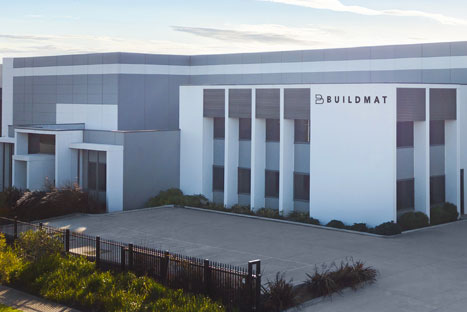
If you're in Melbourne, book an appointment and come and see the range in person at the Buildmat Selection Centre in Hughesdale, we'd love to help you find the right fit for your bathroom. Or browse our full collection of heated towel rails online and find the one that's perfect for your bathroom.
FAQs
Do heated towel rails use a lot of electricity?
They really don't. Most modern electric rails use about the same power as a standard light bulb. With a timer switch, you're typically looking at $10 to $20 a month to run one.
Can I leave my heated towel rail on all the time?
You can — they're designed to run safely for extended periods. But using a timer is a much smarter move. It means warm towels when you need them and zero waste the rest of the time.
Do I need an electrician to install one?
For a hardwired model, yes — it's a legal requirement in Australia. For a plug-in or freestanding model, you can do it yourself. Just plug it in and you're good to go.
Can I put a heated towel rail in the shower area?
It depends on the voltage. Standard 240V rails can't go in wet zones. If you need one close to the shower or bath, a 12V low-voltage rail is the right call. Always check with your electrician to make sure your placement is up to code. Read more on towel rail voltage here.