The Most Common Questions Our Customers Ask Before Buying a Bidet Toilet (Answered)

We get a lot of questions about bidet toilets. Perhaps more than almost anything else we sell, people want to talk through their options before they pull the trigger. And we get it – bidets used to be a luxury fixture you'd find more commonly in Asia or Europe. But now? Bidet toilets (sometimes referred to simply have made their way to Australia, and our customers are interested... but they have some questions too.
So we've pulled together a list of the FAQs our team hears most often. Whether you're renovating a bathroom from scratch or just upgrading what you've got, this should clear things up.
What is a bidet toilet, and is it different to a bidet seat?
Good place to start. A bidet toilet is an all-in-one unit – the toilet pan and bidet functions are built into the same piece of ceramics and electronics. Depending on the specific product, you can get washing, drying, seat warming, and often a deodouriser, all in one product.

A bidet seat, on the other hand, is a replacement seat you fit onto your existing toilet. It's a much cheaper entry point, but the experience isn't quite the same — the seat tends to sit a bit higher than a standard toilet seat, and the look isn't as seamless.

We stock both. If you're doing a full bathroom renovation or want the cleanest aesthetic, a bidet toilet is the way to go. If you're looking for an easy upgrade without replacing the whole toilet, a bidet seat is worth a look.
Are bidet toilets and smart toilets the same thing?
A bidet toilet (or bidet toilet combo) is defined by the water cleansing function – that's the core feature. It's an all-in-one unit where the toilet pan and bidet wash are integrated into the same ceramic piece. You get a directed water spray for cleaning, usually with adjustable pressure and temperature, plus a dryer on most models.
A smart toilet is about automation and comfort – automatic flushing, heated seat, night light, sensors, remote or app control. A smart toilet may or may not have a bidet wash function built in. Some do, some don't. If the wash function matters to you, check the specs rather than assuming it's included just because something is marketed as a smart toilet.
In practice, a lot of premium units combine both.
Do bidet toilets need special plumbing or electrical work?
Yes, and this is the one that catches people off guard the most. A bidet toilet needs both a water connection and a power point. The water connection is the same as any toilet. The power point is where renovators sometimes get stuck.
Most bathrooms in Australia don't have a power point near the toilet. If you're doing a renovation, build one in before the tiler gets there – it's a small cost at that stage. If you're retrofitting into an existing bathroom, you'll need an electrician to add a power point. It's not complicated work, but it needs to be done properly and safely.
The power point should ideally be behind the toilet or to the side, out of sight. Plan for it early and it becomes a non-issue.
How do I know if a bidet toilet will fit in my bathroom?
This depends on the rough-in measurement – the distance from the finished wall to the centre of the toilet outlet. In Australian homes, the standard is usually 160mm or 180mm for S-trap toilets, and P-trap toilets have a set horizontal measurement to the wall outlet.

Older homes (think pre-1990s) can be trickier. The original plumbing sometimes doesn't align neatly with modern toilet specs, and a bidet toilet is a bigger, heavier unit than a standard toilet — so the rough-in needs to be right.
Before you buy, measure your rough-in and check the product specifications. If you're unsure, send us the measurements — we'd rather help you check than have you order something that doesn't fit.
Also worth noting: most integrated bidet toilets are back-to-wall or wall-hung designs. We have a strong range of back to wall toilets and wall hung toilets if you want to see what's available.
Are bidet toilets expensive?
Entry-level integrated bidet toilets in Australia start at around $800–$1,200. Mid-range units – the ones with a broader feature set – typically sit between $1,500 and $3,000. At the premium end, you're looking at $3,000 and up.
The things that push the price up are: heated seat with faster warm-up, more precise water temperature control, auto-open lid, a built-in deodouriser, and remote or app control versus a side panel.
It's worth factoring in the full install cost. The power point is typically $150–$350 through a licensed electrician – it has to be a licensed sparky in Australia, not DIY. Your plumber will usually connect the toilet itself as part of the broader install. If you're already mid-renovation, add maybe an extra hour to the plumber's time. If you're retrofitting into a finished bathroom, you'll need to budget a lot more for the trades work on top of the toilet price.
What features matter and what's just a gimmick?
A few features genuinely make a difference to everyday use, and a few are more novelty than necessity.
Features that matter:
- Adjustable water pressure and temperature — this is fundamental. Without it, the experience is either uncomfortable or just unpleasant. Every decent bidet toilet has this, but the range varies. A wider range gives you more comfort across different users.
- Rear and front wash modes — rear wash is the most-used function, but front wash matters for a lot of users. Make sure both are included.
- Heated seat — surprisingly useful, especially in winter. Australian winters aren't brutal, but a cold toilet seat at 6am is still unpleasant. The faster the warm-up, the better.
- Soft-close seat — standard on most bidet toilets and genuinely useful for bringing a bit of calm to the household.
Features you can probably live without:
- Auto-open lid via a sensor – it's a nice touch, but not essential, and it adds to the price. Night light is similar – handy, not critical.
- App connectivity – unless you specifically want to adjust settings remotely, a side panel or remote works fine for most households.
Are bidet toilets hygienic?
This comes up a lot, and it's a fair question. The short answer is yes. Bidet toilets are hygienic when used correctly, and many people find them more hygienic than toilet paper alone.
The nozzles on quality bidet toilets are self-cleaning. Most have a self-rinse cycle that runs before and after each use. The nozzle retracts when not in use, so it's not exposed to the toilet bowl.
The main thing to watch is water quality. In most Australian homes with standard town water supply, this isn't a concern. If you're on tank water or in an area with known water quality issues, it's worth thinking about.
Is using a bidet messy? Will I get water everywhere?
No, not if it's working properly. The nozzle on a quality bidet toilet is designed to direct a focused stream at a specific angle – it's not just spraying water into the bowl randomly. The stream stays contained. You don't get splashback onto the seat or the floor.
A few things that can make it feel messier than it should:
- Water pressure set too high. This is the most common one. Most people start too high and it feels chaotic. Turn it right down when you first use it and work up from there. Every decent bidet toilet lets you adjust pressure.
- Cheap or poorly designed nozzles. Budget units sometimes have less precise nozzle positioning, which means the stream isn't as well targeted. It's one of the reasons we don't stock the very bottom of the market.
- Not using the dryer or patting dry after. The wash leaves you clean but wet. The built-in dryer (on many integrated bidet toilets) or a small amount of toilet paper to pat dry finishes the job. Some people skip this step and then wonder why it feels incomplete.
If you've heard stories about water going everywhere, it's usually someone who cranked the pressure on their first use and didn't adjust it. Once you dial in the settings for your preference – which takes maybe two or three uses – it's genuinely not messy at all.
What's the difference between bidet toilet brands?
|
Brand |
Best for |
Price range |
Notes |
|
Reliability & longevity |
Mid to premium |
Australian brand with strong after-sales support and solid WELS ratings. Safe pick if serviceability matters. |
|
|
Design-led renovations |
Mid to premium |
Sleeker aesthetic with premium features at competitive prices. Popular in high-spec bathrooms. |
|
|
Luxury / European aesthetic |
Premium |
European build quality and aesthetic. A step up in fit and finish — the price reflects it. |
Can I use a bidet toilet with a concealed cistern?
Integrated bidet toilets generally have their own built-in cistern (back-to-wall) or are wall-hung with a concealed in-wall cistern. If you're going wall-hung, you'll need a Geberit or compatible in-wall cistern frame.
It's worth confirming compatibility between the toilet you're buying and the cistern frame before ordering. The rough-in specs need to align. If you're working with a builder or plumber, share the product specification sheets with them early.
Still have questions about bidet toilets? Talk to us.
These are the questions we get asked most often, but every bathroom is different. If you've got a specific rough-in dimension, an unusual bathroom layout, or you're weighing up two products and can't decide, give us a call on 1300 123 122 or drop us an email at sales@buildmat.com.au.
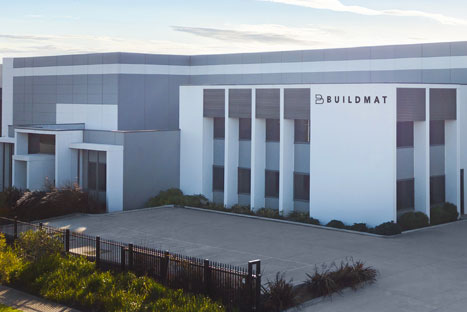
We're based in Dandenong South in Melbourne (where you'll find our showroom) but ship nationally – and we'd genuinely rather spend ten minutes helping you choose the right product than have you order the wrong one.
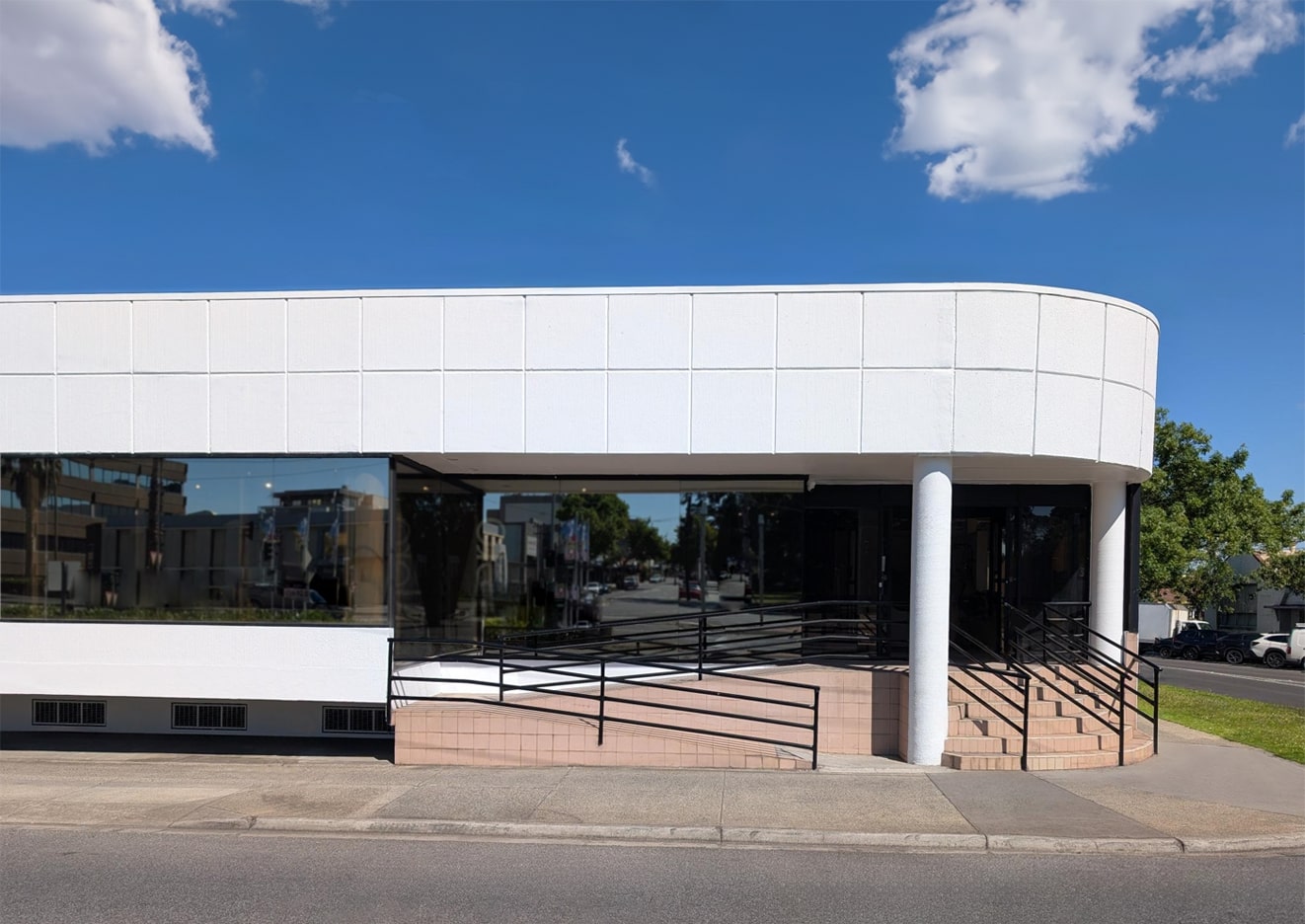
We also have a selection centre at 45 Warrigal Rd, Hughesdale, where you can book in with one of our experts and have them walk you through your options. It's a great way to see our bidet toilets in person and get personalised advice.